
Buy Vilon Peptide 20mg for Laboratory Research
Vilon Peptide 20mg, also known as lysylglutamate, is a short two-amino-acid peptide investigated in laboratory research involving gene expression, chromatin organization, immune-cell biology, vascular signaling, and cellular aging pathways. As a compact peptide sequence consisting of lysine and glutamic acid, Vilon has attracted scientific interest in experimental studies examining peptide bioregulation and cellular function.
For researchers looking to buy Vilon Peptide 20mg, this research material can support controlled laboratory investigations involving chromatin structure, lymphocyte biology, gene-expression pathways, thymic-cell research, vascular signaling, tissue biology, and cellular stress models. Research into Vilon remains developing, and findings from experimental models require further investigation before broader biological conclusions can be established.
Vilon Peptide 20mg Research Overview
Vilon is a short peptide composed of two amino acids: lysine and glutamic acid. It has been investigated as a peptide bioregulator, with research examining its potential relationship with chromatin organization, gene expression, immune-cell activity, vascular biology, and age-associated cellular changes.
Experimental research has particularly focused on whether Vilon can influence the expression of genes that become less active under certain cellular conditions. This has generated interest in Vilon as a research tool for investigating relationships between chromatin structure, transcriptional activity, cellular differentiation, and immune-cell function.
Vilon Peptide Specifications
| Property | Specification |
|---|---|
| Product Name | Vilon Peptide 20mg |
| Peptide Type | Short peptide / dipeptide research material |
| Sequence | H-Lys-Glu-OH |
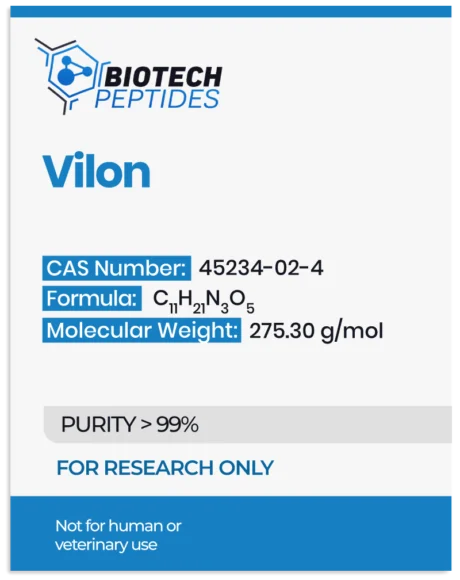
| Molecular Formula | C11N21N3O5 (as supplied; verify against lot-specific documentation) |
| Molecular Weight | 257.30 g/mol |
| Synonyms | Lysylglutamate, Normophthal, Lysylglutamic Acid |
| Research Classification | Research Use Only (RUO) |
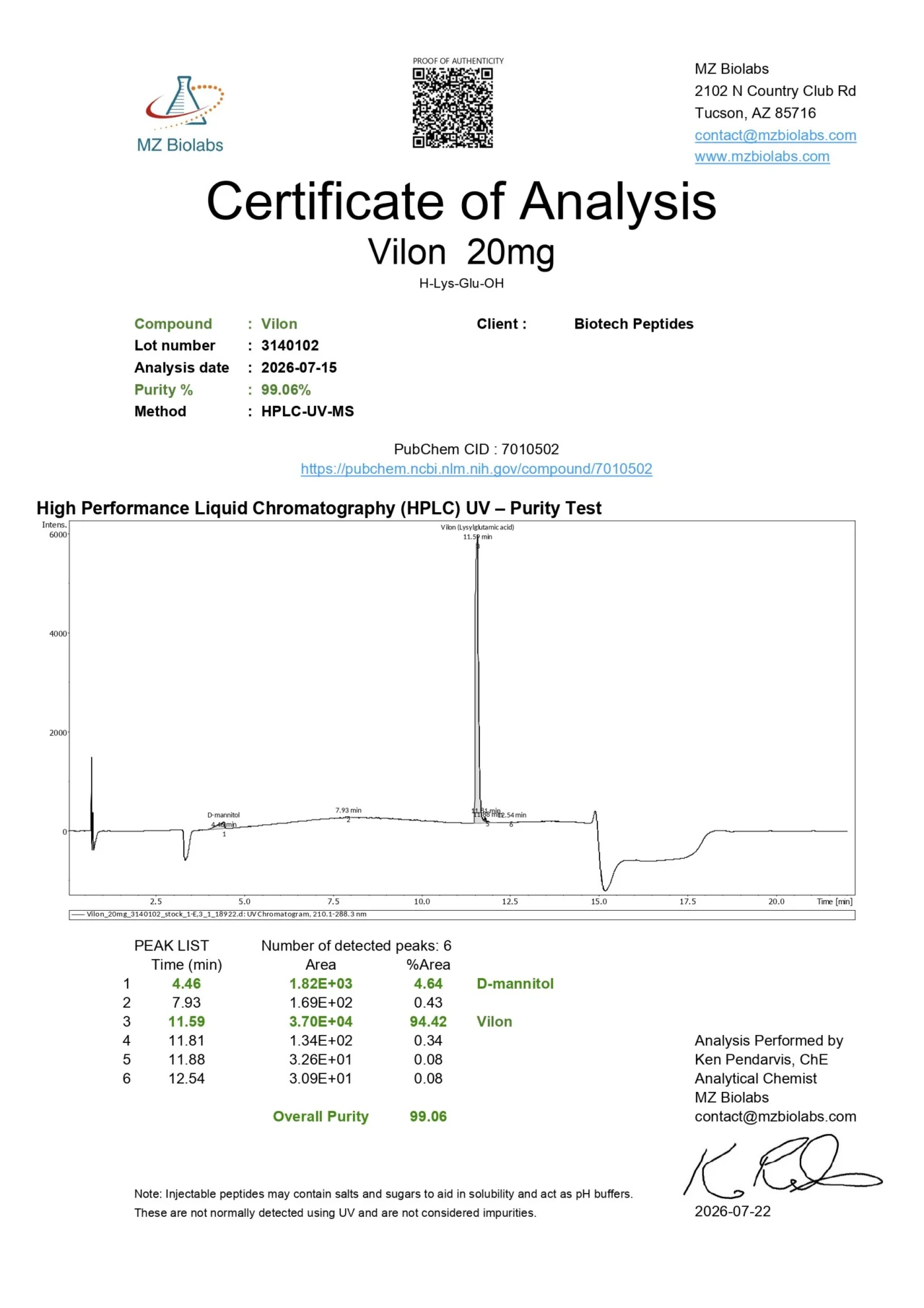
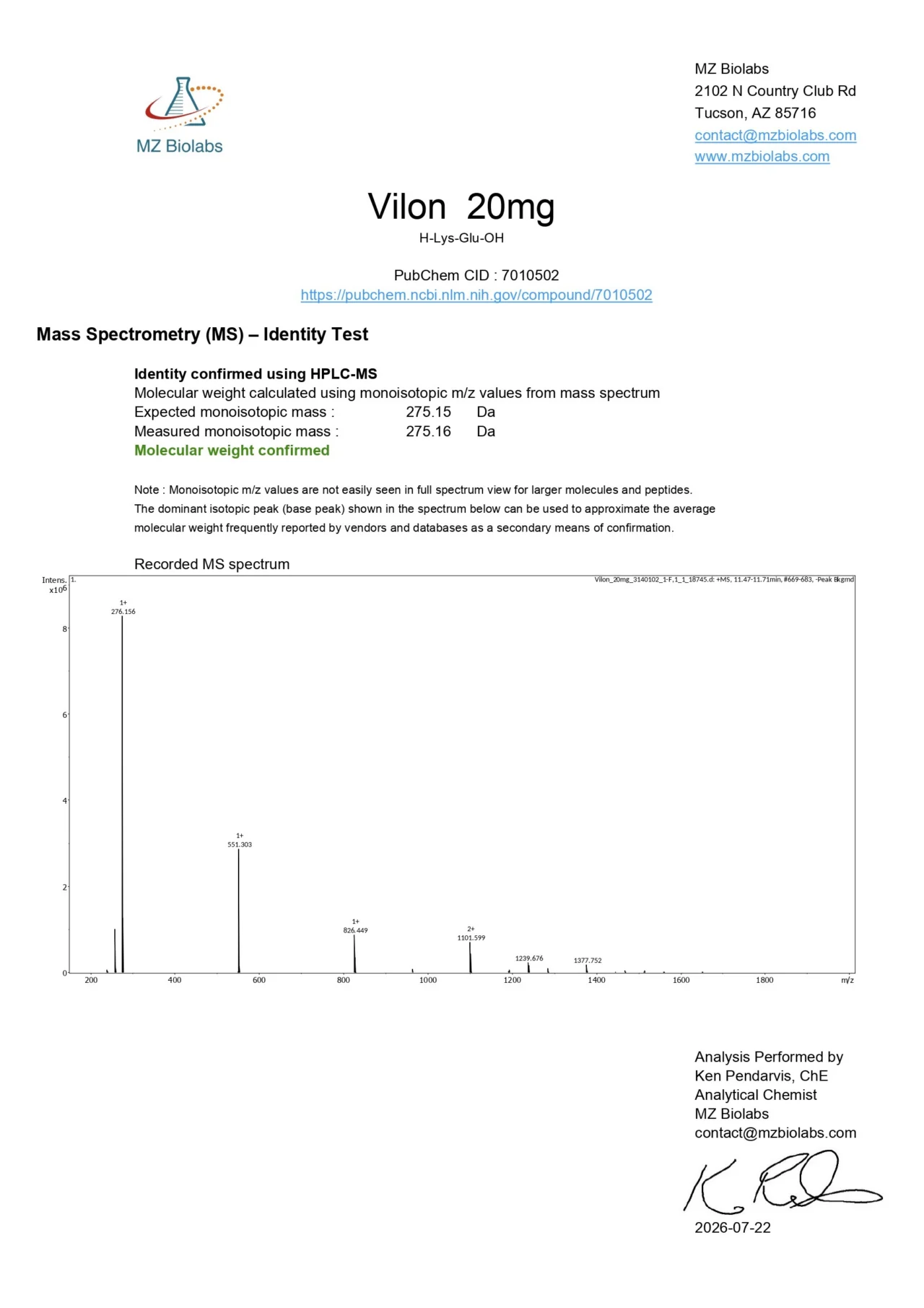
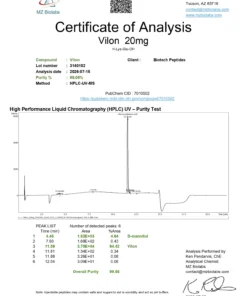
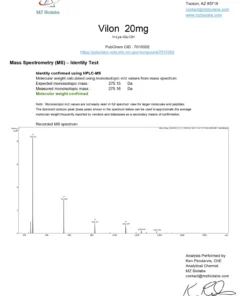
Researchers should verify molecular formula, molecular weight, peptide identity, purity, and other analytical specifications against the applicable certificate of analysis (CoA) and lot-specific product documentation.
Vilon and Chromatin Research
One of the most interesting areas of Vilon peptide research involves chromatin organization and transcriptional regulation. Chromatin determines how DNA is packaged within cells and plays an important role in controlling access to genes.
Experimental studies have investigated whether Vilon-associated peptide signaling can influence chromatin organization and the expression of genes that may become transcriptionally suppressed under specific cellular conditions. Research has examined changes involving heterochromatin and euchromatin as part of broader investigations into gene accessibility and cellular differentiation.
These findings make Vilon relevant to laboratory studies examining epigenetic regulation, chromatin biology, transcriptional activity, and age-associated changes in gene expression.
Vilon Peptide and Immune-Cell Research
Vilon has also been investigated in experimental models of immune-cell biology. Research has examined potential relationships between Vilon, lymphocytes, thymic-cell populations, splenocytes, and immune-related gene expression.
Some experimental studies have investigated changes in CD5 expression and T-cell-associated cellular pathways following exposure to Vilon. CD5 is a surface marker associated with several T-cell populations, making it a useful parameter for laboratory studies of thymic differentiation and immune-cell development.
Other research has examined potential relationships between Vilon and interleukin-2-associated signaling. These observations provide research opportunities for studying cytokine pathways, lymphocyte activation, thymic biology, and cellular differentiation in controlled experimental systems.
Vilon and Gene Expression Research
Research into Vilon has extended beyond immune-cell biology to broader gene-expression studies. Experimental models have reported changes in gene-expression patterns in tissues including the heart and kidneys.
Investigations involving Vilon and other peptide bioregulators have explored whether short peptides can influence transcriptional patterns across multiple biological systems. These studies provide a basis for examining peptide-mediated regulation of cellular signaling and tissue-specific gene expression.
For molecular biology laboratories, Vilon may therefore be of interest when investigating transcriptional responses, gene-expression profiling, peptide signaling, and tissue-specific cellular regulation.
Vilon and Vascular Research
Experimental studies have also investigated Vilon in relation to vascular and hemostatic pathways. Research has examined potential changes in gene expression within cardiovascular tissues and investigated signaling associated with vascular permeability and extracellular-matrix regulation.
Research involving renal and vascular tissues has included investigation of TGF-β1-associated signaling and other pathways relevant to microvascular biology. These studies may help researchers characterize relationships between short peptide bioregulators and vascular-cell signaling.
Because these observations originate primarily from experimental models, additional studies are required to determine the underlying molecular mechanisms and their biological significance.
Vilon and Cellular Aging Research
Vilon has attracted research interest in the field of cellular aging and tissue biology. Experimental studies have investigated how Vilon-associated signaling may relate to age-dependent changes in tissues such as the thymus, spleen, gastrointestinal tract, and muscle.
Research involving tissue explants from different developmental stages has examined cellular structure, tissue organization, enzyme activity, and age-associated changes in cellular function. These studies provide a framework for investigating how short peptide regulators may interact with cellular processes that change during development and aging.
Additional laboratory research has explored Vilon in models involving cellular stress and altered tissue conditions. Such studies may be relevant to researchers investigating cellular resilience, tissue maintenance, gene regulation, and age-associated changes in immune organs.
Vilon Peptide Research Applications
- Study chromatin organization and transcriptional regulation.
- Investigate gene-expression changes associated with peptide signaling.
- Research lymphocyte and thymic-cell biology.
- Examine CD5-associated T-cell pathways and cellular differentiation.
- Study cytokine and interleukin-associated signaling pathways.
- Investigate vascular and renal-cell signaling.
- Explore TGF-β-associated cellular pathways.
- Study tissue biology and age-associated cellular changes.
- Investigate cellular stress and tissue-maintenance pathways.
Why Buy Vilon Peptide 20mg for Research?
Vilon Peptide 20mg provides laboratories with a compact lysylglutamate research material for investigating peptide-regulated cellular processes. Its small two-amino-acid structure makes it particularly interesting for research focused on peptide bioregulation, chromatin organization, gene expression, and immune-cell signaling.
Researchers studying molecular biology, cellular aging, thymic biology, lymphocyte signaling, vascular pathways, and tissue-specific gene expression can use Vilon as a subject for controlled laboratory investigation.
Buy Vilon Peptide 20mg for Laboratory Research
Ready to buy Vilon Peptide 20mg? Add Vilon to your laboratory research materials for controlled studies involving chromatin regulation, gene expression, lymphocyte biology, thymic-cell signaling, vascular pathways, and cellular aging research.
Order Vilon Peptide 20mg today for your next in-vitro, analytical, or molecular biology research project. This research material is supplied exclusively for qualified scientific investigation and should be handled according to appropriate laboratory procedures and applicable requirements.
Research Use Only (RUO) Disclaimer
FOR RESEARCH USE ONLY (RUO). Vilon Peptide 20mg is supplied exclusively for laboratory research, in-vitro testing, analytical research, and scientific investigation. It is not intended for human consumption, veterinary use, diagnosis, disease management, or use as a food, dietary supplement, cosmetic, or approved drug. This material is intended for qualified laboratory personnel using appropriate safety procedures and following applicable institutional requirements and laws. Findings from cellular or animal research models should not be interpreted as established outcomes in humans. The purchaser is responsible for determining appropriate laboratory use, handling, storage, and regulatory compliance.
Frequently Asked Questions About Vilon Peptide 20mg
What is Vilon peptide?
Vilon is a short peptide consisting of lysine and glutamic acid. It is also known as lysylglutamate and has been investigated in laboratory research involving chromatin organization, gene expression, immune-cell biology, vascular signaling, and cellular aging.
What is Vilon used for in research?
Vilon is studied in experimental research involving chromatin structure, transcriptional regulation, lymphocyte biology, thymic-cell differentiation, vascular signaling, tissue biology, and age-associated cellular pathways.
What is the sequence of Vilon peptide?
The supplied sequence for Vilon is H-Lys-Glu-OH, representing lysine followed by glutamic acid.
What is the molecular weight of Vilon?
The supplied molecular weight is 257.30 g/mol. Researchers should verify the molecular weight and other analytical specifications against lot-specific product documentation.
Is Vilon intended for human use?
No. Vilon Peptide 20mg is supplied strictly as Research Use Only (RUO) material for qualified laboratory research, in-vitro testing, analytical research, and scientific investigation. It is not intended for human or veterinary use.
Be the first to review “Vilon Peptide 20mg for Laboratory Research”
Related products
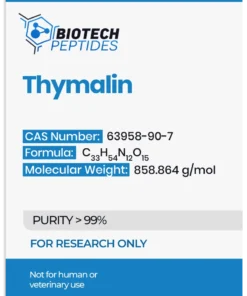
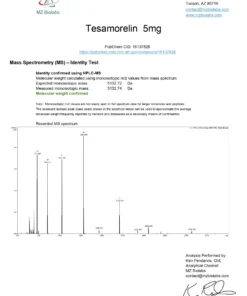
Biotech Peptides
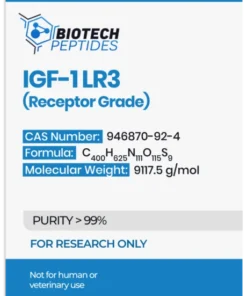
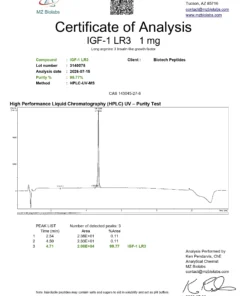
Biotech Peptides
Biotech Peptides
Biotech Peptides
Biotech Peptides
Biotech Peptides
Biotech Peptides
Biotech Peptides
Reviews
There are no reviews yet.