
Buy Pinealon Peptide 20mg | Research Use Only
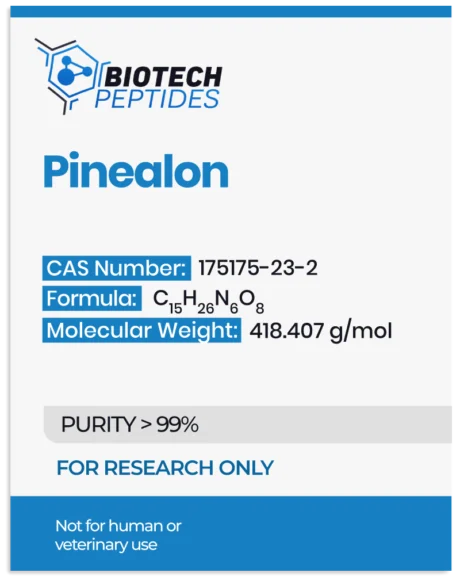
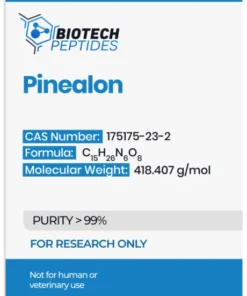
Buy Pinealon Peptide 20mg, also known as EDR, is a short synthetic peptide consisting of three amino acids: Glu-Asp-Arg. Also referred to as Glutamylaspartylarginine and T-33 peptide, Pinealon is described as one of Khavinson’s peptides and has been investigated as a peptide bioregulator in laboratory research.
Research involving Pinealon has examined its potential interactions with DNA, gene-expression mechanisms, cellular aging pathways, oxidative stress, neuronal protection, serotonin-related signaling, apoptosis, and circadian rhythm research. Experimental studies have proposed that the peptide may interact directly with DNA rather than primarily acting through cell-surface or cytoplasmic receptors.
Research on Pinealon remains experimental. The findings and mechanisms described below are based on laboratory and animal-model research and should not be interpreted as established effects in humans. Pinealon Peptide 20mg is intended strictly for Research Use Only (RUO).
Pinealon Peptide Specifications
| Specification | Details |
|---|---|
| Product Name | Pinealon Peptide |
| Quantity | 20mg |
| Other Known Titles | EDR, Glutamylaspartylarginine, T-33 peptide |
| Sequence | Glu-Asp-Arg |
| Molecular Formula | C15H26N6O8 |
| Molecular Weight | 418.407 g/mol |
| Research Classification | Research Use Only (RUO) |
What Is Pinealon Peptide?
Pinealon is a short three-amino-acid peptide composed of Glu-Asp-Arg. The supplied research material describes it as a peptide bioregulator associated with Khavinson’s peptide research.
Unlike many peptides investigated through receptor-mediated mechanisms, Pinealon has been studied for its possible ability to cross cellular and nuclear membranes and interact directly with DNA. Research using HeLa cell cultures has been described as supporting the possibility of intracellular and nuclear localization.
Based on these findings, researchers have proposed that Pinealon may influence gene activity through interactions with specific DNA sequences. This makes the peptide of interest for laboratory studies involving gene regulation, cellular signaling, and epigenetic mechanisms.
Pinealon and DNA Research
One of the distinguishing areas of Pinealon research concerns its proposed interaction with DNA. Experimental research in cell cultures has investigated whether the short peptide can pass through the cell membrane and nuclear membrane and interact directly with genetic material.
The supplied research suggests that site-specific peptide-DNA interactions may be relevant to the regulation of genetic functions. Researchers have therefore investigated Pinealon as a potential molecular regulator of gene activity rather than viewing it solely through conventional cell-surface receptor mechanisms.
At higher experimental concentrations, Pinealon has also been investigated for potential effects on the cell cycle. These observations have contributed to hypotheses concerning the interaction between the peptide, cellular genetic material, and mechanisms controlling cellular activity.
Pinealon and Cellular Aging Research
Pinealon has been investigated in experimental research concerning cellular aging, particularly in relation to the central nervous system. The supplied material describes research examining potential changes in cellular-aging biomarkers and proposes that Pinealon may influence pathways involved in cellular survival and stress responses.
One proposed mechanism involves the MAPK/ERK signaling pathway. Mitogen-activated protein kinase (MAPK) signaling is involved in transmitting cellular signals that can influence processes such as proliferation, differentiation, survival, and gene expression. ERK represents an important component of this signaling network.
Research has proposed that Pinealon may influence MAPK and ERK activity through mechanisms associated with oxidative stress. Reactive oxygen species (ROS) are normal products of cellular metabolism, although excessive ROS accumulation can contribute to oxidative stress and cellular damage.
The supplied research proposes that Pinealon may influence ROS levels and downstream MAPK/ERK signaling, potentially affecting cellular stress and apoptosis. These mechanisms remain subjects of experimental investigation.
Pinealon and Neuron Protection Research
Neuronal research is another major area associated with Pinealon. Experimental studies described in the supplied material have examined the peptide in relation to oxidative stress and neuronal survival in animal models.
Research has reported reductions in reactive oxygen species accumulation and necrotic cells in experimental brain models. These findings have been used to support further investigation into the potential neuroprotective properties of Pinealon.
The peptide has also been studied in relation to cellular responses to hypoxic stress. Experimental research has proposed that Pinealon may influence endogenous antioxidant systems and reduce some of the cellular effects associated with excessive NMDA receptor stimulation.
NMDA receptors are involved in excitatory neurotransmission. Excessive NMDA receptor activation can produce increased calcium influx and downstream oxidative stress in experimental models. Pinealon has therefore been investigated as a potential research tool for examining pathways connecting excitotoxicity, oxidative stress, ERK signaling, and neuronal survival.
Pinealon and Serotonin Signaling
Pinealon has also been investigated in relation to serotonin-associated pathways. The supplied research describes experiments examining potential changes in the expression of tryptophan hydroxylase (TPH), an enzyme involved in serotonin biosynthesis.
One proposed mechanism involves the potential interaction of Pinealon with DNA sequences associated with the promoter region of the TPH gene. A promoter region is a regulatory portion of DNA involved in controlling gene transcription.
Molecular docking research described in the source has been used to investigate potential peptide-DNA interactions. The findings suggested a potentially stable interaction between Pinealon and DNA sequences associated with TPH regulation. Experimental research has also reported changes in serotonin synthesis in younger cell cultures compared with control groups.
These findings remain experimental and should not be interpreted as evidence of a demonstrated serotonergic effect in humans. Further laboratory research is required to characterize the relationship between Pinealon, DNA interactions, TPH expression, and serotonin-related pathways.
Pinealon and Cell Death Research
Apoptosis and cellular survival represent additional areas of Pinealon research. The supplied material describes investigations into potential changes in caspase-3, an enzyme associated with apoptotic signaling.
Research has also examined cytokines including interleukin-6 (IL-6) and tumor necrosis factor-alpha (TNF-α) in experimental models. These signaling molecules are associated with inflammatory and cellular stress responses.
The proposed relationship between Pinealon, cytokine signaling, caspase-3, and cellular survival has been investigated particularly in experimental models involving oxygen deprivation and other forms of cellular stress.
The supplied research also describes investigations involving myocardial infarction models and dermal and epidermal cells. These findings provide potential directions for studying cellular proliferation, apoptosis, and stress-response mechanisms in controlled laboratory environments.
Pinealon and Sleep Regulation Research
Pinealon has been investigated in connection with circadian rhythm and sleep-related research. The supplied material describes experimental observations suggesting that Pinealon may influence responses associated with disruption of the sleep-wake cycle and pineal gland function.
The pineal gland plays an important role in biological timing and circadian regulation. Research into Pinealon has therefore examined whether the peptide may influence biological responses associated with disrupted circadian rhythms.
These observations provide a potential research framework for studying the relationship between short regulatory peptides, the pineal gland, circadian signaling, and cellular responses to sleep-cycle disruption. Further controlled research is required to establish the underlying mechanisms.
Pinealon and Muscle Cell Research
Research described in the supplied material has also examined Pinealon in relation to muscle-cell biology. One area of interest involves Irisin, a signaling protein associated with muscle and metabolic research.
Researchers have proposed that Pinealon may influence Irisin expression and cellular responses associated with oxidative stress. These observations have contributed to hypotheses concerning the relationship between short peptides, muscle-cell function, telomere biology, and cellular aging.
Because these findings remain experimental, Pinealon should be considered a research material for investigating these pathways rather than a product with established effects on muscle or human physiology.
Pinealon Research Areas
- Peptide-DNA interaction studies
- Gene-expression and transcription research
- Epigenetic mechanism research
- MAPK and ERK signaling studies
- Reactive oxygen species and oxidative-stress research
- Neuronal and cellular stress models
- Hypoxia and excitotoxicity research
- NMDA receptor-related cellular research
- TPH and serotonin biosynthesis research
- Apoptosis and caspase-3 studies
- IL-6 and TNF-α cellular signaling research
- Circadian rhythm and pineal-gland research
- Muscle-cell and Irisin research
Pinealon Peptide Sequence and Molecular Profile
Pinealon is an exceptionally short peptide consisting of three amino acids: Glu-Asp-Arg. The supplied molecular formula is C15H26N6O8, with a reported molecular weight of 418.407 g/mol.
The short sequence makes Pinealon a useful subject for researchers investigating relationships between peptide structure, cellular localization, DNA interactions, and biological signaling mechanisms.
Why Use Pinealon 20mg for Laboratory Research?
Pinealon Peptide 20mg provides researchers with a defined short peptide for controlled laboratory investigation. Its reported DNA-interaction properties and association with MAPK/ERK, oxidative-stress, neuronal, serotonin, apoptosis, and circadian pathways make it relevant to several areas of experimental peptide research.
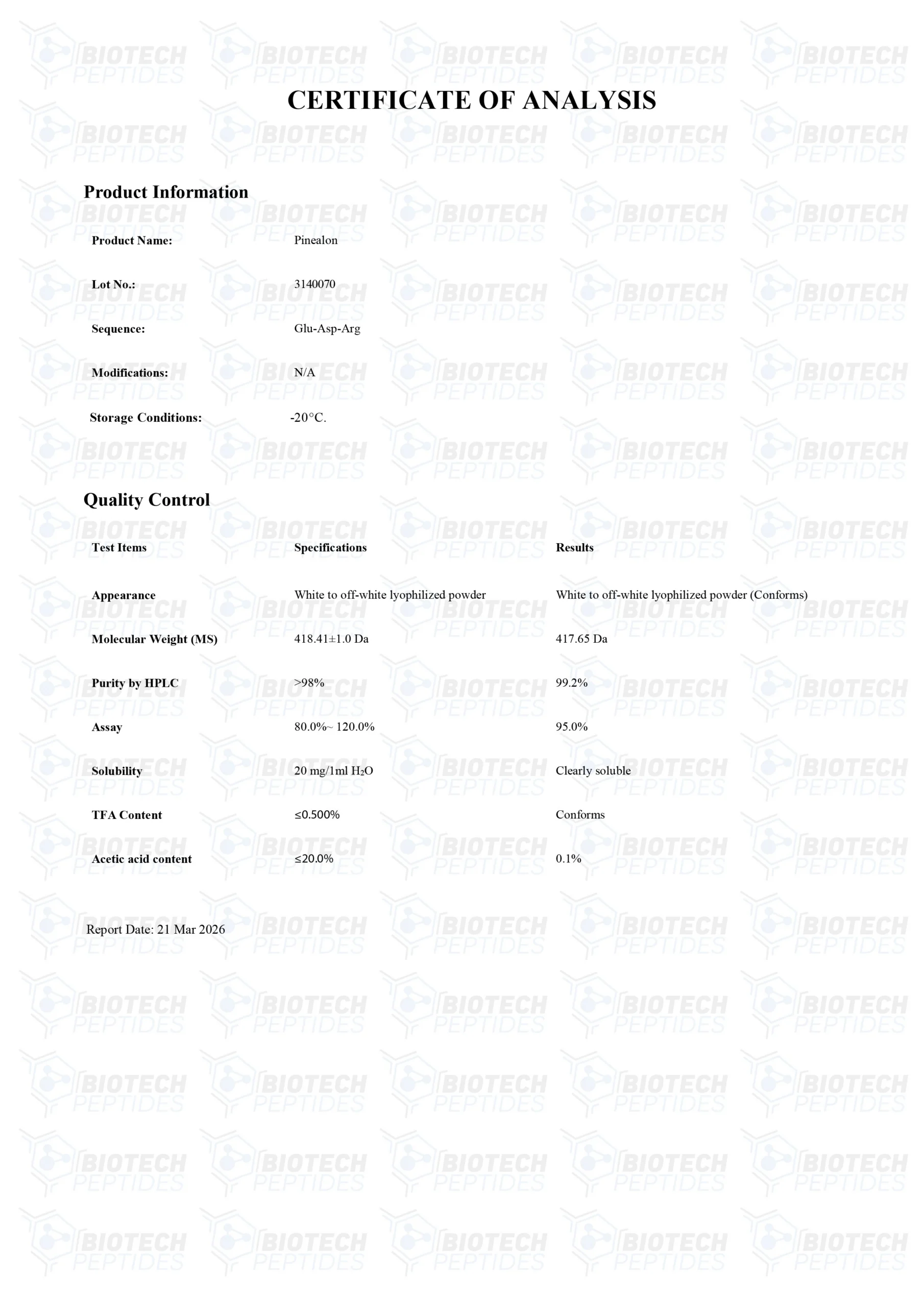
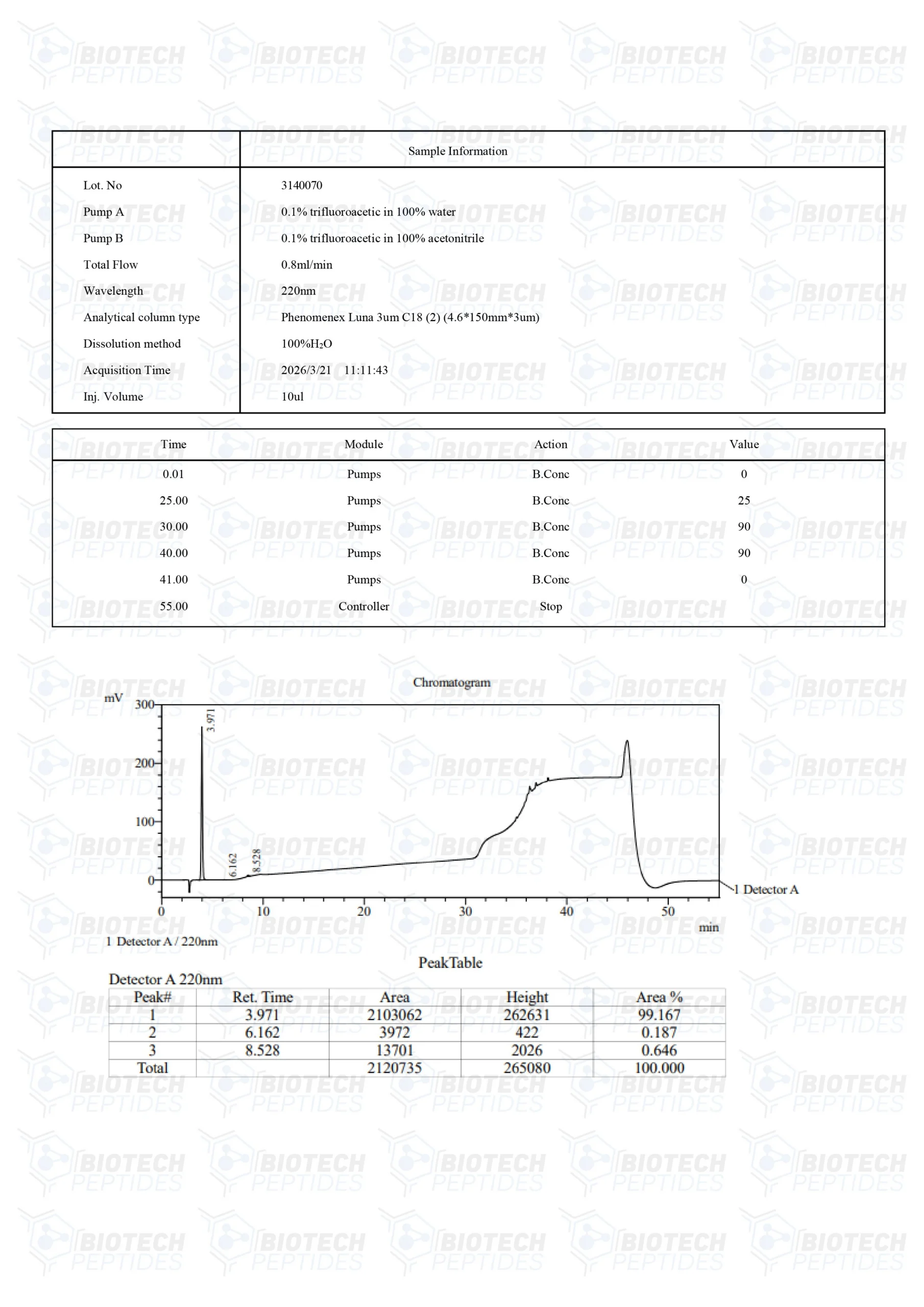
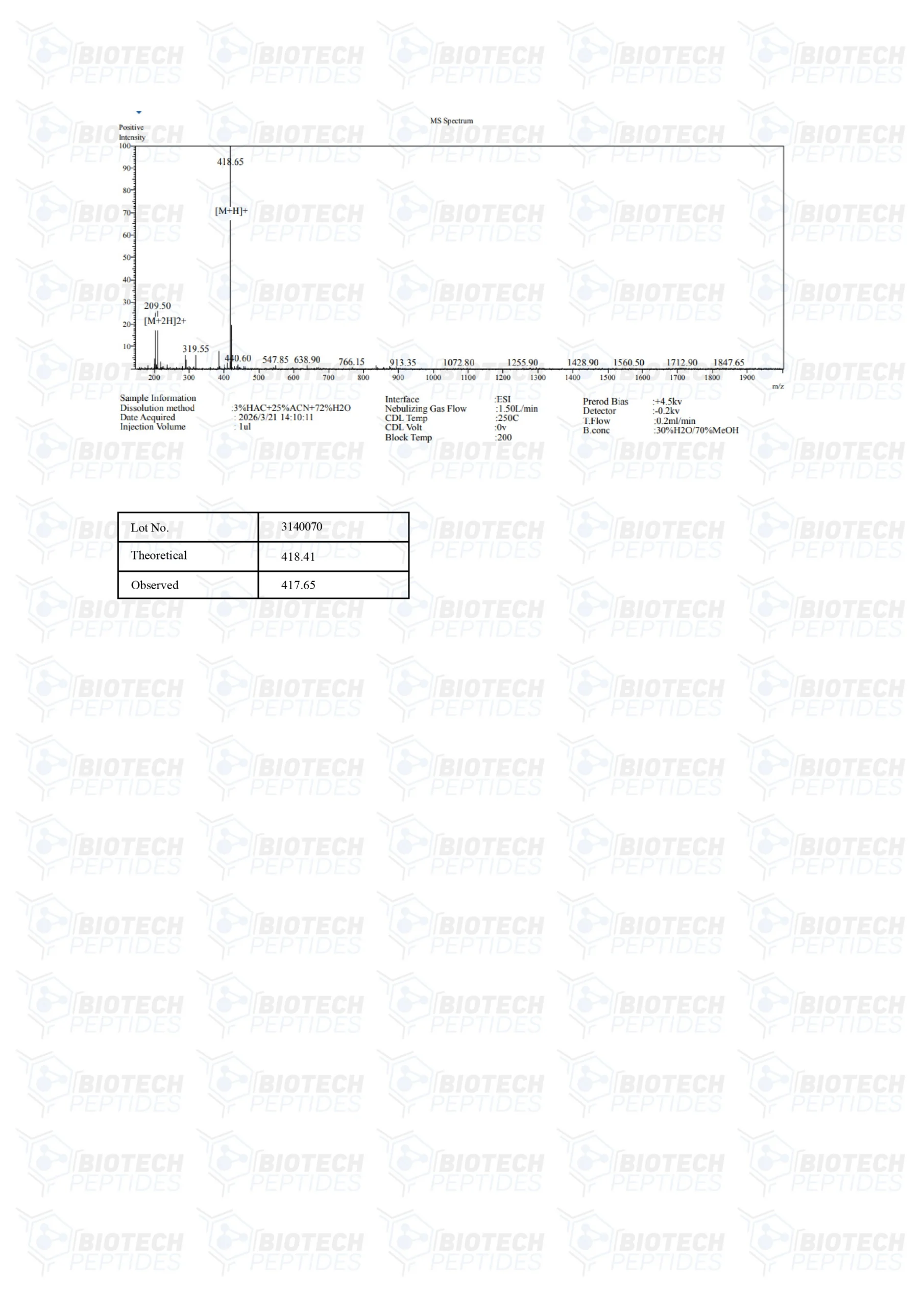
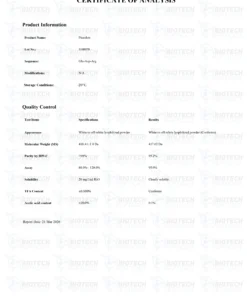
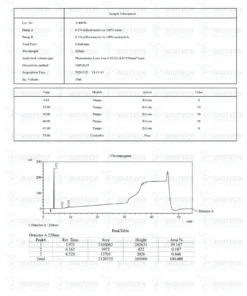
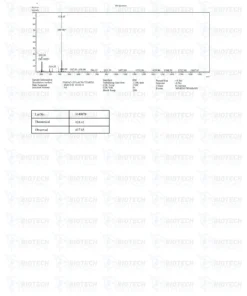
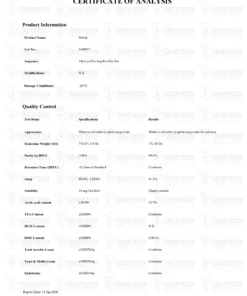
Researchers should use appropriate analytical documentation and batch-specific product information when characterizing the material. Where additional analytical information is required, consult the applicable batch documentation or Certificate of Analysis.
Pinealon Peptide FAQ
What is Pinealon peptide?
Pinealon is a short three-amino-acid peptide with the sequence Glu-Asp-Arg. It is also known as EDR, Glutamylaspartylarginine, and T-33 peptide.
What is the sequence of Pinealon?
The supplied sequence is Glu-Asp-Arg.
What is the molecular weight of Pinealon?
The supplied molecular weight is 418.407 g/mol, with the molecular formula C15H26N6O8.
What is Pinealon researched for?
Pinealon has been investigated in laboratory and animal-model research involving DNA interactions, gene expression, cellular aging, oxidative stress, neuronal protection, MAPK/ERK signaling, serotonin-related pathways, apoptosis, circadian rhythm research, and cellular stress responses.
Is Pinealon intended for human use?
No. Pinealon Peptide 20mg is designated Research Use Only (RUO). It is not intended for human or veterinary use, consumption, diagnosis, treatment, prevention, or administration.
Research Use Only Disclaimer
Pinealon Peptide 20mg is intended strictly for research and laboratory use only. This product is not intended for human or veterinary use, consumption, diagnosis, treatment, prevention, or mitigation of any disease or medical condition. It is not a dietary supplement, pharmaceutical product, or therapeutic product.
The research information presented on this page is provided for scientific and educational purposes. Findings described for Pinealon are based on experimental research and proposed mechanisms and should not be interpreted as established clinical effects. Researchers are responsible for handling, storage, testing, and use of this material in accordance with applicable laboratory procedures, institutional requirements, and local regulations.
Be the first to review “Pinealon Peptide 20mg | Research Use Only”
Related products
Biotech Peptides
Biotech Peptides
Biotech Peptides
Biotech Peptides
Biotech Peptides
Biotech Peptides
Biotech Peptides
Biotech Peptides
Reviews
There are no reviews yet.