
Buy Livagen Peptide 20mg | KEDA Research Peptide
Livagen Peptide 20mg is a synthetic tetrapeptide research compound composed of the amino acid sequence Lys-Glu-Asp-Ala (KEDA). Livagen is classified among short peptide bioregulators and has been investigated in laboratory research involving chromatin organization, gene expression, lymphocyte biology, gastrointestinal cellular pathways, oxidative stress, and cellular aging models.
Researchers looking to buy Livagen Peptide 20mg for laboratory research can use this material for controlled studies investigating short-peptide interactions with cellular and molecular pathways. Research involving Livagen has particularly examined chromatin structure and gene-expression patterns in lymphocytes, along with experimental models involving liver cells, gastrointestinal tissues, and cellular stress.
Livagen Peptide Research Overview
Livagen is a short synthetic tetrapeptide with the reported sequence Lys-Glu-Asp-Ala (KEDA). Like other short regulatory peptides investigated in the bioregulator field, Livagen has been studied for potential interactions with genetic material and cellular signaling pathways.
Experimental research has examined Livagen in relation to:
- Chromatin organization
- Gene-expression regulation
- Lymphocyte biology
- Immune-cell signaling
- Ribosomal gene activity
- Cellular aging models
- Gastrointestinal cellular pathways
- Oxidative-stress research
- Liver-cell biology
- Cellular stress responses
Livagen Peptide and Chromatin Research
Chromatin consists of genomic DNA and associated proteins that organize genetic material within the cell nucleus. Changes in chromatin organization can influence how genes are accessed and expressed, making chromatin structure an important subject in molecular and cellular biology.
Livagen has been investigated in experimental lymphocyte models for potential effects on chromatin organization and nucleolar organizer regions (NORs). NORs are chromosomal regions associated with ribosomal RNA production and nucleolus formation.
Experimental research involving Livagen may therefore examine:
- Chromatin organization
- Heterochromatin structure
- Nucleolar organizer regions
- Ribosomal gene activity
- Chromosomal organization
- Gene-expression accessibility
- Nuclear organization
These research areas provide a framework for investigating how short peptide sequences may interact with nuclear and chromatin-associated processes.
Livagen and Lymphocyte Research
Lymphocytes are immune-system cells that include T cells and B cells and are widely used in laboratory studies of cellular signaling, gene expression, and immune biology.
Research has investigated whether Livagen exposure may influence gene expression in lymphocytes through changes in chromatin organization. Experimental observations have included potential changes in chromatin decondensation and ribosomal gene activity.
Researchers studying Livagen may therefore investigate:
- T-cell and B-cell biology
- Lymphocyte gene expression
- Chromatin decondensation
- Ribosomal gene activity
- Cellular proliferation
- Immune-cell signaling
- Nuclear organization
Experimental observations involving immune-cell models should be interpreted according to the specific cell type, culture conditions, exposure parameters, and analytical methods used.
Livagen Peptide and Cellular Aging Research
Cellular aging research frequently examines changes in chromatin organization, DNA integrity, gene expression, and cellular repair processes. Livagen has been investigated in experimental models examining these relationships.
Research has explored whether short bioregulatory peptides can influence chromatin structure and the accessibility of previously less-active genetic regions. Livagen is therefore of interest for laboratory studies examining relationships between chromatin organization and cellular aging-associated changes.
Potential research endpoints include:
- Chromatin condensation
- Chromosomal organization
- Gene-expression patterns
- DNA-associated cellular processes
- Cellular viability
- Cellular stress responses
- Age-associated molecular changes
Livagen and Cardiac Cell Research
Livagen has also been investigated in experimental research involving immune-cell signaling and cardiac cellular models. Because immune and inflammatory signaling can influence cardiac-cell environments, lymphocyte gene-expression research may provide an indirect model for examining cellular interactions associated with cardiac biology.
Experimental studies have examined Livagen in relation to chromatin organization, lymphocyte gene expression, and inflammatory-associated cellular pathways.
Laboratory research may investigate:
- Lymphocyte-associated cardiac signaling
- Chromatin changes in immune cells
- Inflammatory signaling pathways
- Cardiac-cell biology
- Gene-expression changes
- Cellular remodeling models
These areas remain subjects of experimental investigation and should not be interpreted as evidence of a therapeutic cardiovascular effect.
Livagen and Gastrointestinal Research
Experimental research has also examined Livagen in relation to gastrointestinal cellular biology. Studies have investigated potential relationships between short peptide signaling, mucosal cellular activity, vagus-associated signaling, prostaglandin pathways, and nitric-oxide-associated mechanisms.
These pathways provide potential laboratory research applications involving:
- Gastrointestinal cell signaling
- Mucosal biology
- Vagus-associated cellular signaling
- Prostaglandin pathways
- Nitric oxide signaling
- Cellular stress responses
- Gastrointestinal tissue models
Livagen and Enkephalin Research
Livagen has also been investigated in experimental research involving enkephalin metabolism. Enkephalins are endogenous peptide signaling molecules that interact with opioid receptors and are studied extensively in neurobiology and cellular signaling research.
Experimental work has examined whether Livagen can influence the degradation of enkephalin molecules. Research using labeled enkephalin has explored whether Livagen may alter the rate at which these molecules are broken down in experimental systems.
This provides a potential research framework for investigating:
- Enkephalin metabolism
- Peptide degradation pathways
- Endogenous peptide signaling
- Enzyme-associated peptide breakdown
- Neurochemical research
- Cellular signaling mechanisms
These findings should be treated strictly as experimental biochemical observations and not as evidence for clinical or analgesic applications.
Livagen and Liver-Cell Research
Livagen has been investigated in in-vitro models involving liver-cell oxidative stress and cellular responses associated with hepatic research systems.
Research has examined potential changes in antioxidant status under experimentally induced cellular stress conditions. These studies provide opportunities to investigate how short peptide sequences interact with oxidative-stress pathways and cellular antioxidant systems.
Potential laboratory endpoints include:
- Hepatic cell biology
- Oxidative stress
- Antioxidant status
- Cellular stress responses
- Gene-expression changes
- Redox-associated signaling
Such experimental findings are dependent on the specific research model and should not be interpreted as evidence of a clinical effect in humans.
Livagen Peptide Specifications
| Property | Specification |
|---|---|
| Product Name | Livagen Peptide |
| Research Quantity | 20mg |
| Peptide Type | Synthetic tetrapeptide |
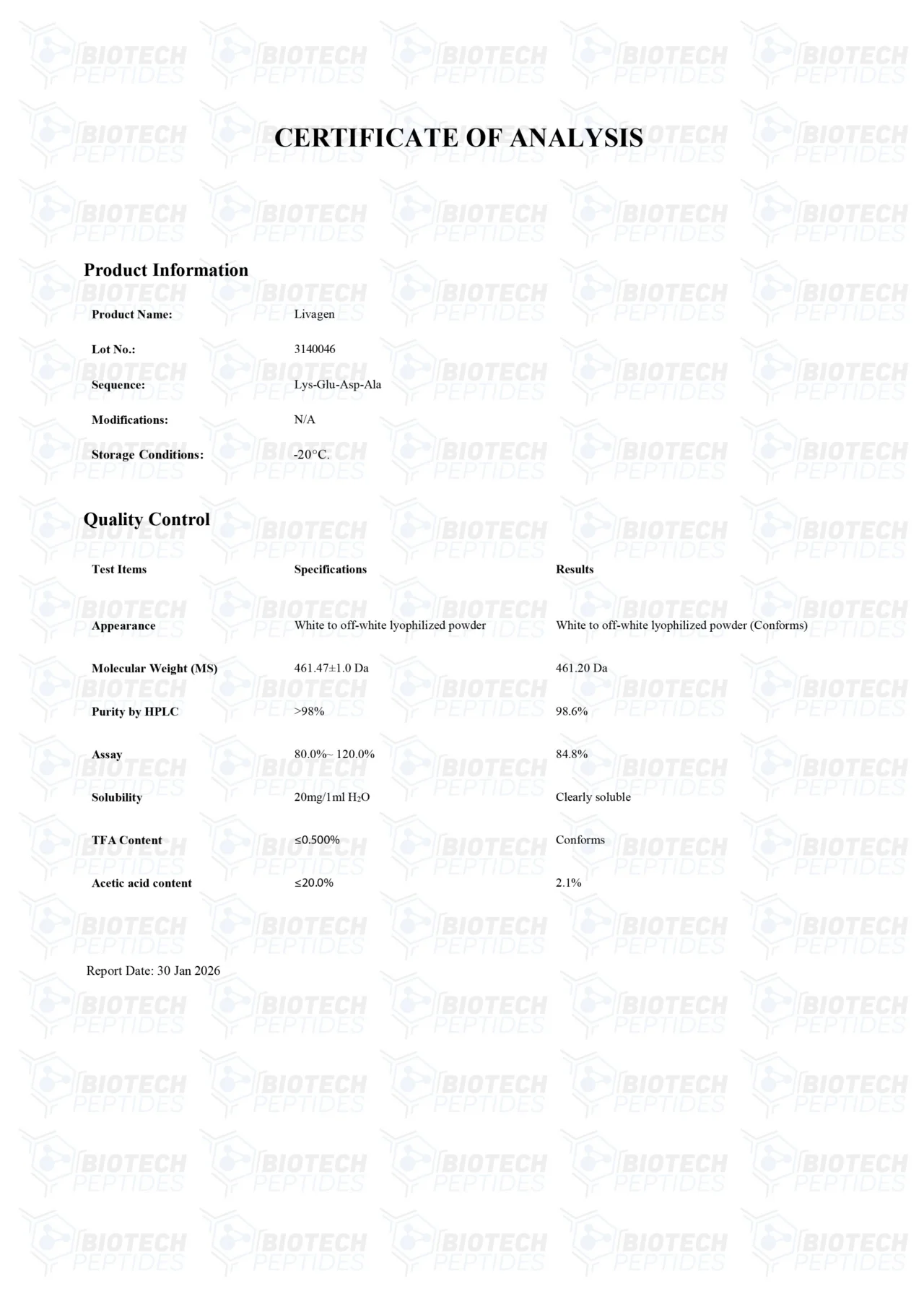
| Sequence | Lys-Glu-Asp-Ala (KEDA) |
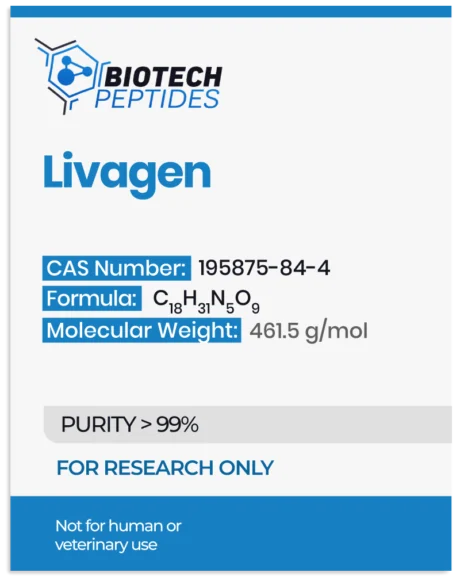
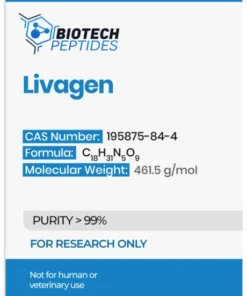
| Molecular Formula | C18H31N5O9 |
| Molecular Weight | 461.5 g/mol |
| Synonym | SCHEMBL5967826 |
| Research Classification | Research Use Only |
| Primary Research Areas | Chromatin, gene expression, lymphocyte biology, gastrointestinal research and oxidative stress |
Livagen Peptide Research Applications
Livagen Peptide 20mg can be used as a research material in controlled laboratory studies investigating short-peptide interactions with cellular and molecular pathways.
- Chromatin organization research
- Gene-expression studies
- Lymphocyte research
- T-cell and B-cell biology
- Ribosomal gene research
- Cellular aging models
- Gastrointestinal cellular research
- Enkephalin metabolism studies
- Liver-cell oxidative-stress research
- Antioxidant pathway research
- Cellular stress-response studies
- Nuclear organization research
Researchers should determine appropriate experimental concentrations, controls, preparation procedures, exposure periods, and analytical methods according to their validated laboratory protocols.
Frequently Asked Questions About Livagen Peptide
What is Livagen Peptide?
Livagen is a synthetic tetrapeptide research compound with the reported sequence Lys-Glu-Asp-Ala (KEDA). It has been investigated in experimental research involving chromatin organization, gene expression, lymphocyte biology, gastrointestinal pathways, and oxidative stress.
What is the sequence of Livagen?
The reported Livagen sequence is Lys-Glu-Asp-Ala (KEDA).
What is the molecular weight of Livagen?
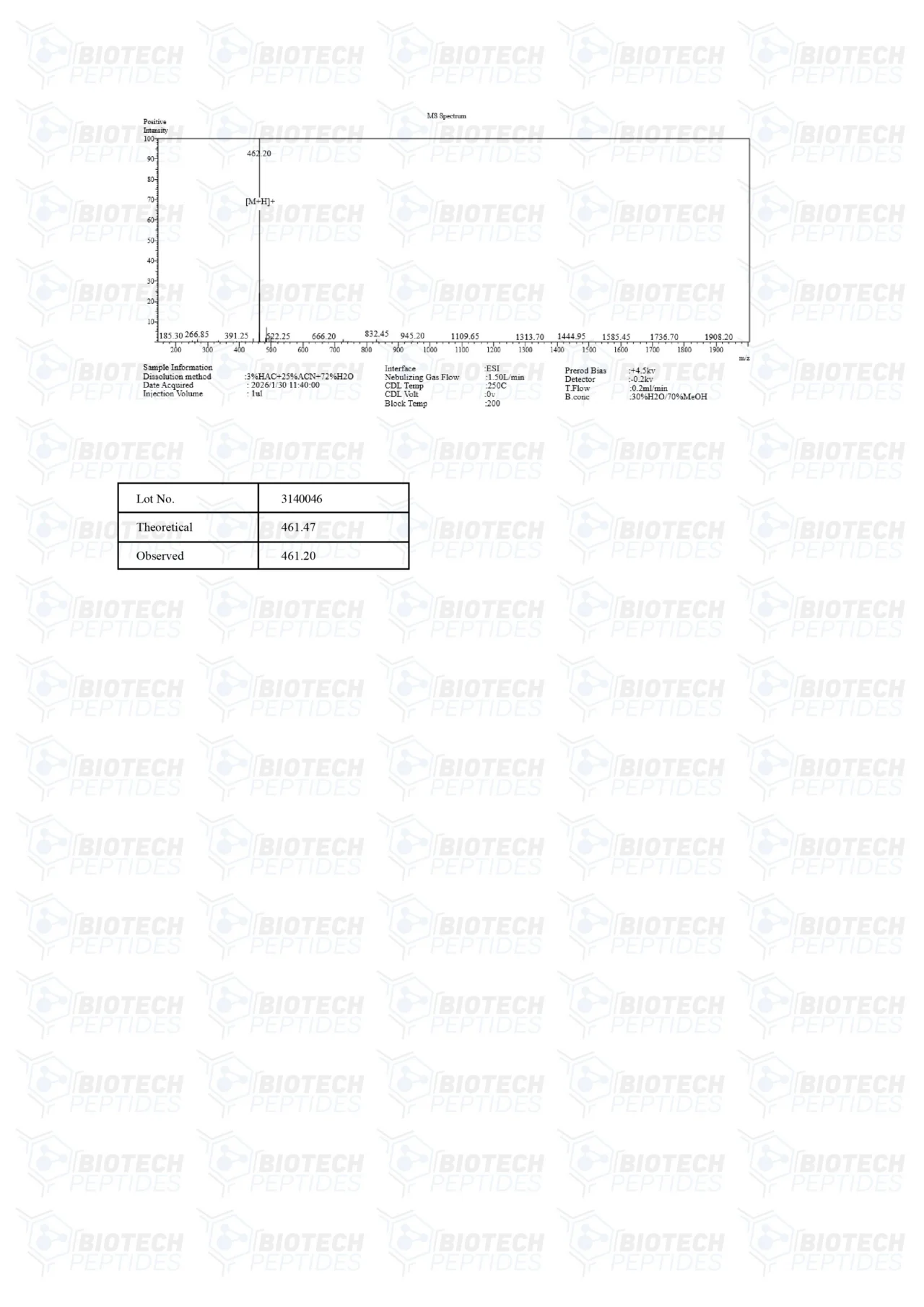
The supplied molecular weight of Livagen is 461.5 g/mol, with the reported molecular formula C18H31N5O9.
What research areas are associated with Livagen?
Livagen has been investigated in laboratory research involving chromatin organization, gene expression, lymphocyte biology, cellular aging models, gastrointestinal signaling, enkephalin metabolism, liver-cell biology, and oxidative-stress pathways.
Is Livagen intended for human use?
No. Livagen Peptide 20mg is supplied strictly for laboratory research, in-vitro testing, analytical research, and scientific investigation. It is not intended for human consumption, clinical use, diagnosis, disease management, or therapeutic application.
Research Use Only (RUO) Disclaimer
FOR RESEARCH USE ONLY (RUO). Livagen Peptide 20mg is supplied exclusively for laboratory research, in-vitro testing, analytical research, and scientific investigation. It is not intended for human consumption, veterinary use, diagnosis, disease management, or use as a food, dietary supplement, cosmetic, or approved drug. This material is intended for qualified laboratory personnel using appropriate safety procedures and following applicable institutional requirements and laws. Findings from cellular or animal research models should not be interpreted as established outcomes in humans. The purchaser is responsible for determining appropriate laboratory use, handling, storage, and regulatory compliance.
Be the first to review “Livagen Peptide 20mg | KEDA Research Peptide”
Related products
Biotech Peptides
Biotech Peptides
Biotech Peptides
Biotech Peptides
Biotech Peptides
Biotech Peptides
Biotech Peptides
Biotech Peptides
Reviews
There are no reviews yet.